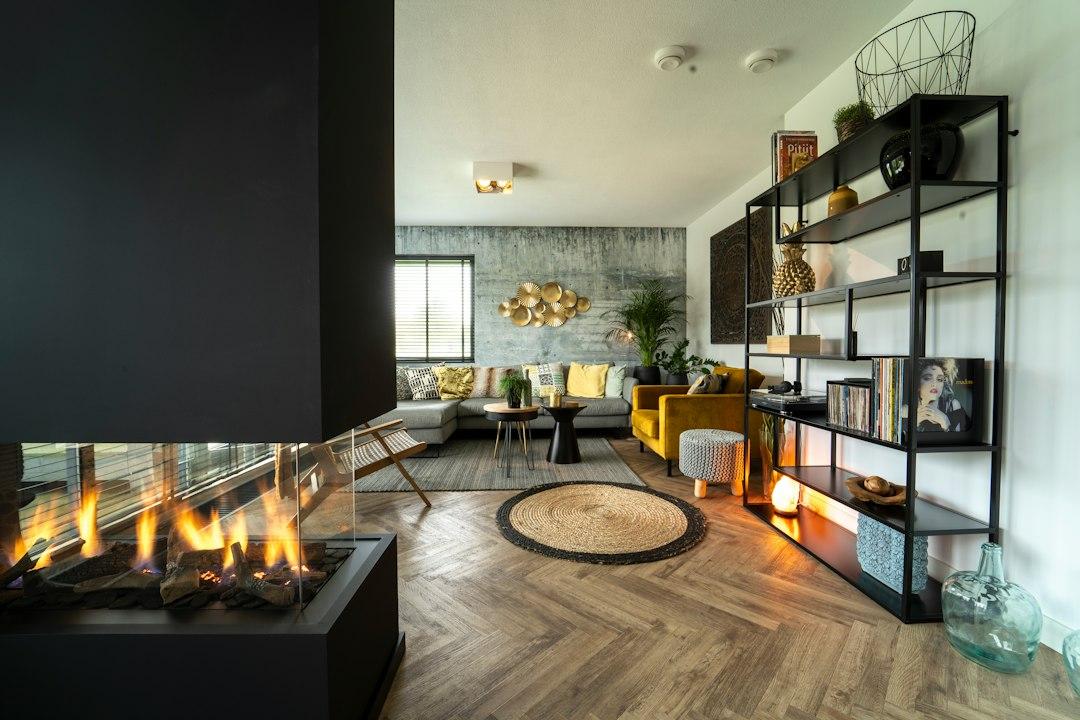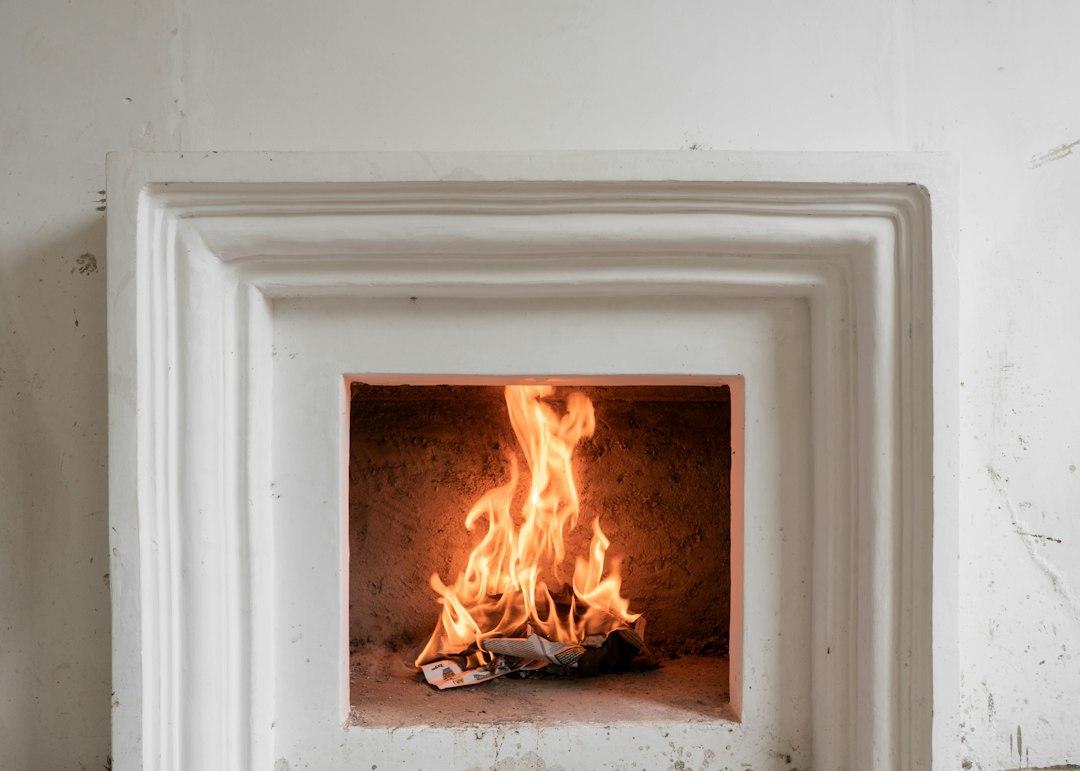
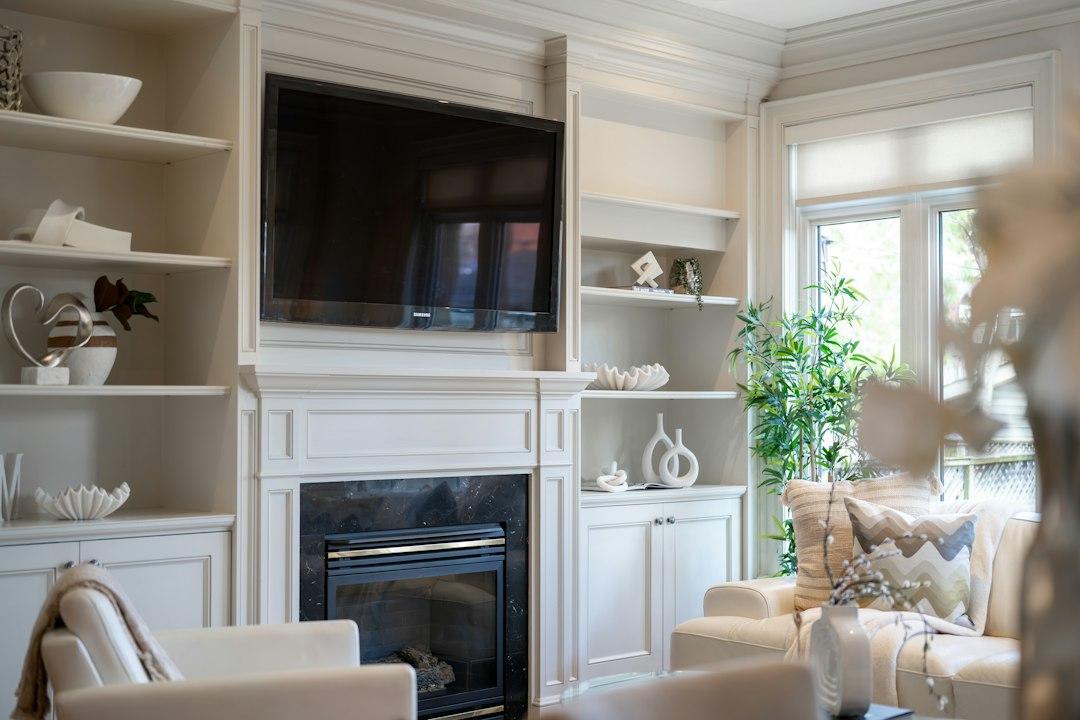
An open fireplace in a Whittier living room mostly heats the sky. Warm room air rides up the flue along with the smoke, and on a cold night the draft pulls more air in under the doors to replace it. An insert fixes that by putting a sealed firebox inside the old one and sending its exhaust up a liner of its own. The question owners bring us is never whether an insert works. It is which kind, and what the whole job will cost once the liner, the gas line and the trim are counted.
This post lays the three types next to each other: wood, gas and pellet. Where Thayer Chimney Solutions publishes a figure, it is printed. Where we do not, we explain what sets the number so you know what to expect on the written quote.
Three inserts on one page
| Wood insert | Gas insert | Pellet insert | |
|---|---|---|---|
| Fuel | Split logs | Natural gas or propane | Bagged wood pellets |
| Needs power | No (blower optional) | Usually for the blower and ignition | Yes, always |
| Liner | Stainless, full height | Stainless or flexible aluminum per the maker | Stainless, smaller size |
| Daily effort | Loading, ash, splitting | A switch or remote | Filling a hopper, emptying ash |
| Our published price | Written quote | $2,650 to $5,300 installed | Written quote |
The gas column is the only one with a published range because gas jobs vary the least once the firebox is measured. Wood and pellet inserts swing more with the size of the unit, the height of the chimney and the work needed at the hearth.
What sits inside the gas range
The low end of $2,650 to $5,300 is a modest unit in a firebox that already has a gas key nearby and a flue that takes a liner without fuss. The upper end is a larger unit, a longer liner run on a two storey house, or a decorative face and remote package. Bringing gas to a firebox that never had it is a separate line, because it depends on how far the nearest supply sits and what lies between.
If you have no fireplace at all in the room you want to heat, the job is a wall-mounted unit vented outside rather than an insert. That has its own range on this site, $4,250 to $8,550, and needs no chimney.
Why wood and pellet get a written number
A wood insert pulls hard on its flue and burns hot, so the liner must run the full height of the chimney in stainless steel, and many installs add insulation around it. On a single storey ranch house in Whittier that might be fifteen feet of liner; on a hillside home in La Habra Heights it can be far more. The hearth in front of the opening may also need to grow, because a wood insert throws embers further onto the floor than a gas one ever will.
Pellet inserts use a narrower vent and run on a feed motor and fans, so they need an outlet near the fireplace. Some rooms have one; some need an electrician first. Pellet units also vary widely in size and price from one maker to the next.
Those differences are why we look before quoting. Two wood inserts of the same model can land hundreds of dollars apart once the liner length and hearth work are known.
The parts nobody quotes until asked
Whichever type you choose, a few items come up on most older Whittier houses before an insert can go in:
- The damper. Most old cast iron dampers are removed to give the liner a clear path down through the throat; a few can be pinned wide instead.
- The top of the chimney. A new liner needs a sound crown and a cap that fits the liner rather than the old tile. If you only want a cap, we measure the top and then quote it; size and metal drive that number.
- The flue itself. If the camera shows broken tile or gaps, that does not stop an insert, because the liner carries the exhaust. It does mean the liner must be the right type for the fuel.
- Water. A chimney that already leaks should be sorted first, because a new insert sitting in a damp firebox rusts early. Leak work on this site runs $530 to $3,200.
None of these is a surprise if the house is looked at first. All of them are a surprise if the first person to see the chimney is the installer on the day.
What decides your number
For any insert, four things move the quote more than the brand of the unit: the inside size of the firebox, the height of the chimney, what fuel is already at the hearth, and the condition of the top of the chimney. The unit itself matters, but less than most people expect.
If you want a figure for your own fireplace, send the request form with the fuel you lean toward, the rough age of the house and whether there is a gas key near the hearth. We arrange a visit to measure, then send a written quote that lists the unit, the liner, the cap and any hearth work on separate lines.
Comparing running costs, roughly
We do not publish fuel cost figures, because gas tariffs and pellet prices move. In broad terms, owners who already buy firewood find a wood insert cheapest to run; owners who want heat without carrying anything choose gas; pellet sits in between, with steadier heat than wood and less hauling. If you burn only a handful of evenings a year, the convenience of gas usually wins. If the fireplace is a main heat source for a room, wood or pellet earn back more over time.
Before you choose
A good way to decide is to picture an ordinary January evening. Who will light it, how often, and what will they be willing to carry in from the garage? Then picture the summer: a wood insert sits idle, a gas insert sits idle, and a pellet stove needs its yearly service before autumn comes round. The answer to those two pictures is usually clearer than any table.
Our fireplace insert page covers the install itself, and the liner page explains the vent side. If you are also weighing a simple log set against a full insert, read Gas Logs or a Gas Insert? next.
When you are ready to see your own numbers, the contact page is where to start: tell us the fireplace, the fuel you favour, and we take it from there.
Planning an Upgrade of Your Own?
Thayer measures the opening, looks up the flue and puts wood, gas and pellet units side by side with their installed prices. We work from Whittier across Pico Rivera, La Habra, La Habra Heights, West Covina and the cities around them.